GL.iNet Firmware Removes Router Malware, Plus 2 Stories
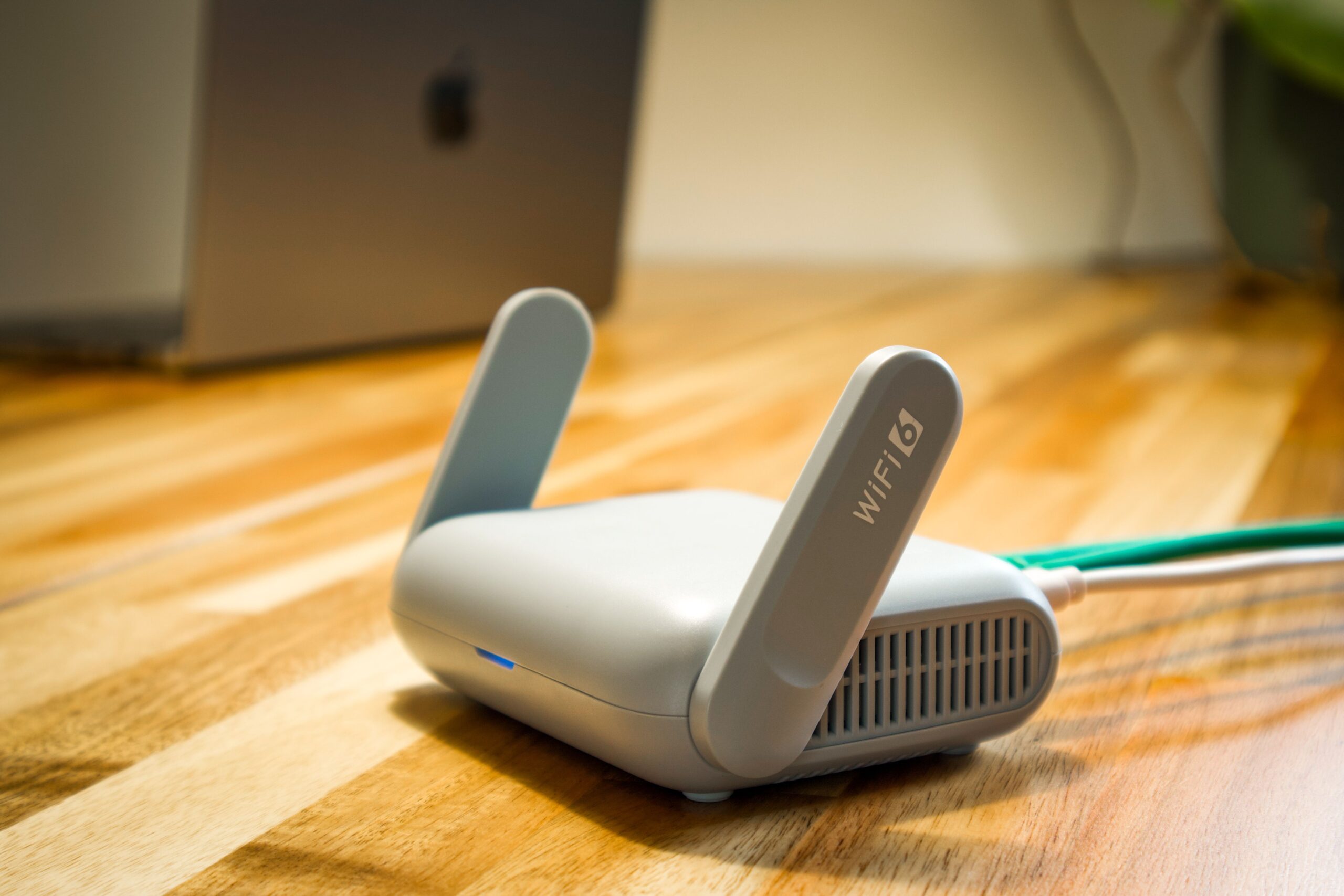
The most useful security story today isn’t a theoretical flaw or a clever laboratory attack. It’s a vendor telling customers that attackers used its own cloud management service to install malware on real devices, followed by a firmware update owners can install now. The GL.iNet router malware incident is also a useful reminder that cloud management changes the security boundary. Your router may sit on your desk, but part of its control system lives somewhere else.
GL.iNet firmware now removes the malware
GL.iNet says an unauthorized party exploited a vulnerability in its cloud remote management service to install malicious software on some routers and KVM devices. The company says it has blocked that attack path, so devices shouldn’t be newly infected through the same route. That cloud-side fix does not clean a device that was already compromised.
The practical news is that stable security firmware is now available for a long list of models. GL.iNet says the update removes the malware it has identified without requiring a factory reset, and owners can keep their settings. The company recommends installing the exact firmware for your model even if a quick process check finds nothing suspicious. Don’t improvise with firmware meant for a similar-looking model. If your model isn’t listed, use GL.iNet’s download center or contact support.
For people comfortable checking first, the advisory gives router and KVM instructions for finding a running process containing crond -i /tmp/.log. But that check has limits. GL.iNet says additional indicators have emerged and no scan can guarantee a device was never compromised. In other words, a clean search result is not a reason to skip the stable update.
KVM owners have one more concern. A remote keyboard, video and mouse device can interact with the computer connected to it. GL.iNet is still investigating whether any connected computers were affected. If the KVM shows the indicator, the sensible response is to update the KVM, then inspect the computer for unfamiliar software, browser extensions, accounts, startup items and unusual network activity, and run a full security scan. That’s not panic. It’s checking the next machine in the trust chain.
I think the most important part of this update is the division of responsibility. GL.iNet fixed its cloud service, but customers still have to clean the endpoint. “We fixed the cloud” and “your device is clean” are not the same sentence.
The boring machines need attention too
Browsers, workstations, remote-access tools, Wi-Fi, and ordinary office hardware rarely get much attention until one of them becomes the problem. Raymond Tec provides onsite IT and field services around Reading, Pennsylvania, along with practical help keeping the technology people use every day working and reasonably secure.
Rackspace Spot customers need to rotate what may have been read
Rackspace has told affected Spot customers that an intruder used leaked credentials on November 17 to act as legitimate users in some customer organizations. According to the notice reported by BleepingComputer, the access could create Kubernetes pods, read Kubernetes Secrets, list nodes and volumes, and reach Spot API and refresh tokens. A public discussion from a Platform9 co-founder says a compromised credential was used against an observability system, though the full path into customer clusters still hasn’t been publicly explained.
A Kubernetes Secret is an object used to hold credentials such as passwords, tokens or keys for workloads. The name sounds reassuring, but access to the object can expose the credential inside it. Deleting an unauthorized pod doesn’t invalidate a database password the pod may have read.
That is why the cleanup list is longer than “the console is back.” Affected customers were told to reissue Spot tokens, generate fresh kubeconfig files, rotate credentials stored in cluster Secrets and review the logs of external services those credentials could access. The known intrusion window was roughly 00:20 to 22:00 UTC on November 17. Rackspace has not publicly said how many customers were affected or proven that every accessible secret was taken. Rotation is the prudent response to possible exposure, not a claim that all of it happened.
Business IT goes well beyond the website
Your business also depends on workstations, cloud accounts, browsers, Wi-Fi, remote access, collaboration tools, and all the other technology that quietly becomes infrastructure. Raymond Tec works across that whole stack, whether the problem lives on a server, on a desk, or somewhere in between.
The FCC’s IoT label may become more than a sticker
The FCC is asking for comment on the working rules behind its voluntary U.S. Cyber Trust Mark for wireless consumer devices. The Federal Register proposal covers the physical label, a QR-linked online registry, certification renewal, complaints, revocation and checks after products reach the market. Comments are due December 23, with replies due January 7.
The useful idea is the “cyber nutrition label.” A shopper could scan the QR code and see security information that a small logo can’t carry, including how updates work and whether the certification remains valid. The proposal also considers a three-year renewal cycle and annual sampling plans for post-market surveillance. Those details matter because a camera or thermostat can be secure when tested and neglected two years later.
Still, this would be a voluntary baseline, not a federal promise that a labeled product cannot be hacked. Manufacturers also couldn’t present the mark as a government endorsement. I would treat a well-run label as one useful buying signal, especially if the registry shows update commitments and a revoked mark promptly changes status. The test is whether the program keeps telling the truth after the box leaves the store.
Today’s three stories share a theme we’ve been returning to in Raymond Tec News: access is only half the question. The other half is what happens when that access is abused, who can see it, and whether recovery reaches every credential and device downstream.
Still in a reading mood? The Raymond Tec News archive covers security, AI, small-business technology, policy, and the places technology collides with ordinary life — without requiring a computer-science degree to get through it.